
July 2012 -2
RAF Kinloss MRT – The swinging 70’s
Posted on July 18, 2012 by heavywhalley.MBE
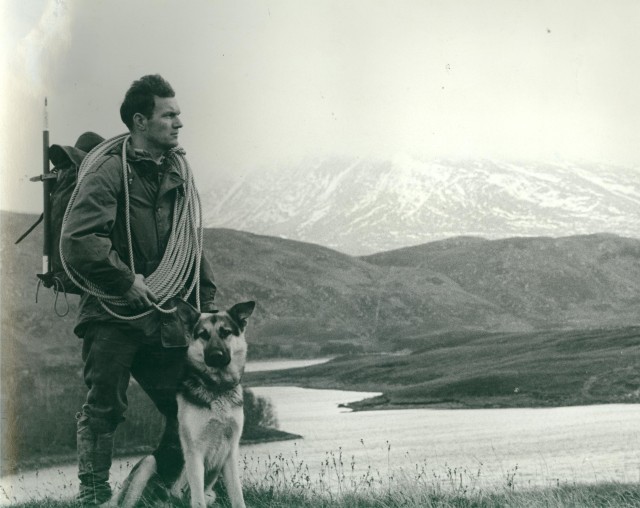
Your first Team leader has a huge impression on you in my case was George Bruce a small wiry Scottish Team Leader with a with a mind as sharp as a razor. I tried to join the Mountain Rescue as soon as I arrived at RAF Kinloss as a 7 stone and really a skinny wee lad. I was sent away from the Mountain Rescue by some of the Team who said that they thought I was too skinny. It was just the type of thing that happened in these days and this was just after the Cairngorm disaster in November 1971. The Cairngorm Disaster which is well document in my Blog dated 20 Nov 2011. In this tragedy 5 children and an adult had died on the plateau in November 1971 and the RAF Kinloss Team, Glenmore, Cairngorm Team, Braemar, Aberdeen and SARDA were all involved. It was a tragedy that was change mountaineering for ever. The Kinloss Team was very strong at this time with some huge personalities and characters. George was a non drinker and ruled the team by his strength of character. He was not the best mountaineer by far in this team but what a man manager and got the best out of his team. He was a bit of a Bill Shankly / Alec Ferguson/ Billy Connolly his management was superb. His sense of humour was marvellous and his public speaking without notes incredible. He had a way with words that could cut you down in a second if you needed it. He had incredible contact with each estate and new every keeper many who remained friends long after he retired. He kept the Officers and the powers that be in their place and looked after his men whatever they did. He had a knack of on a big callout being able to work with the Police and other Team Leaders easily due to his people skills and could fight his corner when needed. He looked after us all and often gave me a few words of wisdom behind the office door. Outside of the team they got into a few scrapes but George was always there to sort it out. He looked after me when I joined and made sure that I was kept on the right track. It is amazing how such a man can effect you life in the future. George ended up at Grantown On Spey at the Centre there before he retired. He was a Physical Training Instructor and a parachute Instructor, one of the finest in his day. At this centre he had many visits from the senior officers of the RAF. George would regal them with stories, one day a very high senior officer of “Air Rank” near God in the military forgot his rucksack arriving in the Cairngorm car park in a wild day with no gear. When asked where his rucksack was he said I do not need it George as quick as always said the immortal words” the mountains have no respect for rank , you had better get back and get it. I was very lucky to meet and work with such men as George Bruce, Ray Sefton and Pete McGowan legends within the RAF Mountain Rescue. When times are hard you need such people.
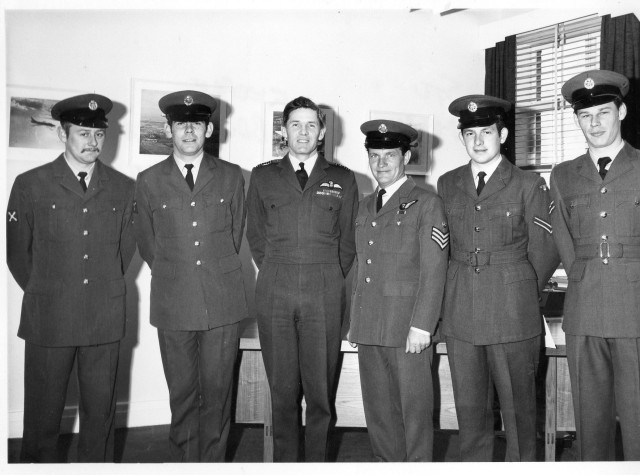
The Team was fairly steady when I joined and helicopters were being used more and more on Rescues. The civilian teams were now better equipped but still used the RAF teams in the big incidents. Winter climbing was now very popular and Avalanche accidents were very common. Little was known about them at this time and the first big callout in 1970 involved Jim McCartney an outstanding and up coming winter climber and friend of Tom Patey being killed in an Avalanche on Ben Nevis with two companions. The Lochaber Team and RAF Kinloss were involved in the recovery. Mary Anne Hudson and ex WRAF from Kinloss was also killed. John Grieve now (Team Leader of Glencoe) was the only survivor of an accident that rocked Scottish Mountaineering. As I stated before mountaineering and climbing was a very close affair even in these days. At times you were rescuing or recovering friends. This is never easy to do.
Yesterdays story on the Sputnik has got some attention and the BBC have put a piece on their website.
Some of the major incidents the team were involved in from `1970 – 1980.
1970 – 19 Jan – Ben Nevis – Italian Climb- slab avalanche one survivor 3 fatalities. One of the fatalities was an ex WRAF from RAF Kinloss.
21 November – Cairngorms Disaster – Feith Buidhe Ben Mac Dui 6 fatal 5 children and 1 adult. The worst mountain tragedy to date in Scotland 2 survivors – 3 of the Kinloss team decorated for their efforts on the Search.
1972- 1 September – Ben Nevis – Tower Ridge, 3 fatalities, Navy party.
1973 – 19 -23 January – Ben More Crianlarich – Viscount Aircraft all 4 crew killed
1974 – 16 February – Ben Nevis Zero – Gully 1000 FT Lower
1975 – 25 -31 December – Isle of Mull Missing aircraft – Cessna- found 7 years later.
1975 – Skye – West Buttress Sgurr Na Ciche 700 feet low
1976 – 15 -20 March – Glen Doll – 2 missing walkers in Jocks Road.
1977 – 8 -9 January – Torridon – Liathach Northern Pinnacles 9 Jan – ATC cadet fell 800 ft, 17-hour epic, carry off with team.
1977 – 12 January – Cairngorms – Loch Avon – Helicopter Crash on Frozen Loch. KMRT Team Leader Ray Sefton found both survivors walking out.
1978 – 28 January – Northern Scotland – Great Blizzards– rescued over 150 people in a 10-day period. Team based in Inverness. A9 blocked for days.
1979 – 23 27 November – Ben Lui – Jaguar Aircraft Crash – 3 Day search
My early days at Kinloss – Ben More Viscount Crash at Crainlarich. Tragedy on Tower Ridge Ben Nevis
Posted on July 19, 2012 by heavywhalley.MBE
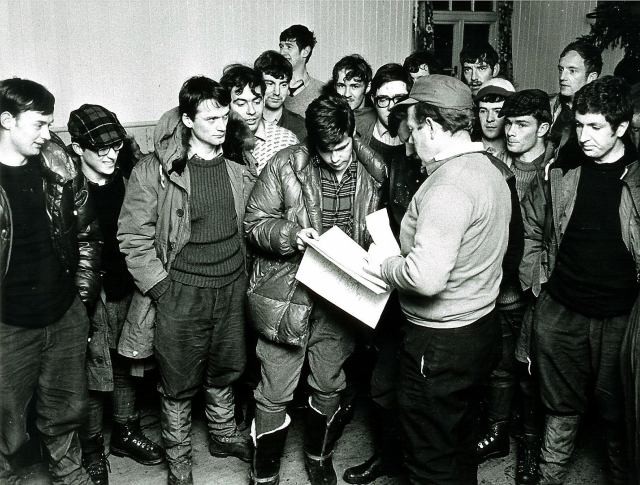
When I joined the team it was a great time for me, away every weekend all over Scotland on the mountains. Every weekend a new area to arrive in after a 2-3 hour journey in the dark arriving at some village hall or tents and meeting new people in the dances each weekend. It had a great training programme fitness came first and those who managed were taught by some great characters. It was all for a reason and to be able to cope with call-outs in any weather and in any area. Not easy for a wee 7 stone weakling from Ayr. My first weekend was on the remote Munro Mullach Na Dheiragain in the depths of winter in late January. It was crampons on all day with the Officer in charge. He hardly spoke all day but said I did well at the end and after that it was all uphill and fun until the call outs started. The payback begins for all the free mountaineering.
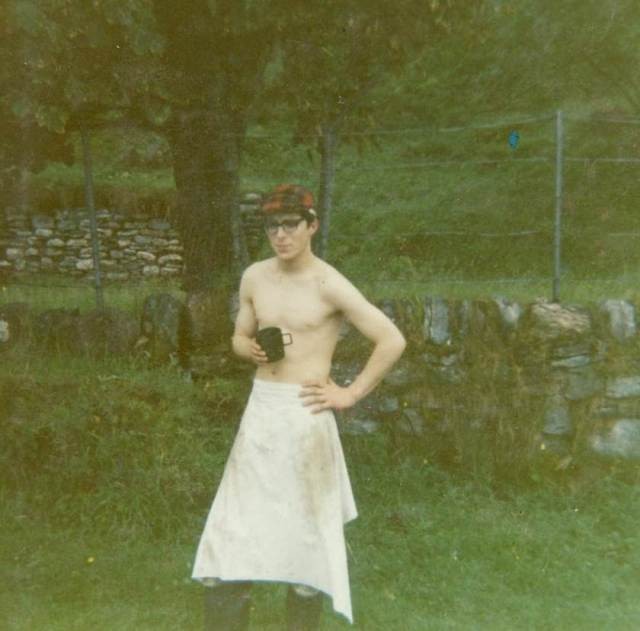
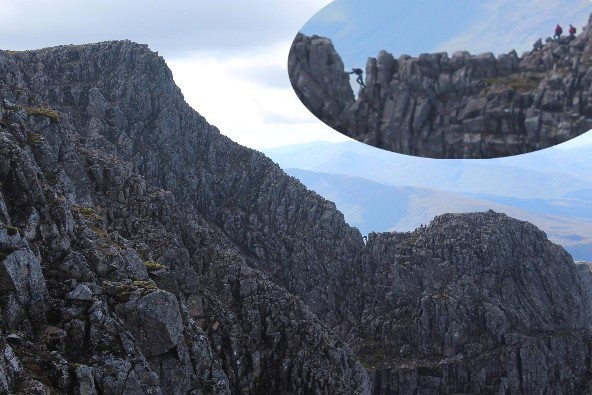
My first big call-out was for three Naval climbers who fell on Tower Ridge on Ben Nevis – where we located the three below the ridge. They had all fallen from the ridge and we found then in the early morning. Lochaber Mountain Rescue had asked for assistance and there were some real incredible people on that team. As one of the youngest myself and my mate Tom MacDonald were looked after by these hard men. As a young guy it was a real hard introduction into death in the mountains. John Hinde one of the leaders I was with was asked to climb the ridge and myself and two others went with him to try to find where they had fallen from. We climbed the ridge it was wet, damp, slippy and an eye opener to me. I was looked after but it was part of the job and one had to get on with it. I saw how easy it was to make a mistake and the mountains for all that wildness and beauty can hurt and even kill at times. In between there was the usual call-outs all over inured people carried out as the team had done for many years. It was all in the appreciation of being a mountaineer . It was great to see how the teams worked together and how hard they all worked. There were few orders given, these guys were the most “un – military” of people yet on a rescue they were slick and organised, After a call-out there was little knowledge of what was going on by the press or the RAF and when we got back to work it was often to hassle as one had been away from work “skiving!” Many had snags with their careers at times from unhelpful bosses! I had all the comments from my early bosses “head in the clouds” etc, it did not matter to me. All that counted to me was the mountains, the Munros and climbing at weekends.
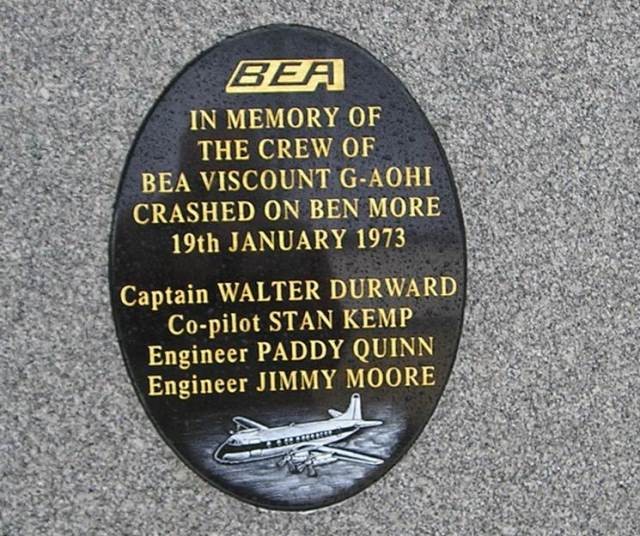
My first aircraft crash was for a Viscount aircraft from Glasgow that crashed on Ben More in the winter of 1973. An epic taking 2-3 days to recover the 4 casualties. Wild weather and a huge areas to search in wild conditions made it a call-out that stayed in my mind for years. As always all the teams worked well together and the locals could not do enough for the team during such a tragic event. Hundreds of people searching for people they never knew an incredible feeling. You always hope to find people alive but it is very rare in an aircraft crash. There is a memorial to the crew in the churchyard at Crainlarich which I went in the anniversary of the crash in 2003. Meeting the family and friends who lost their lives is a humbling experience for all and how they appreciate what all the teams did to try to find their loved ones. These incidents remain with you for ever especially the early years. When I get asked why I cannot finish my book it is because a lot of the incidents I was involved in were friends or relations I got close to after an accident. It is hard to put these things aside and write. A lot of my early call-outs were the usual thing people late off the hill, no head-torches or poor navigation. Injured ankles and minor injuries were the nature of many accidents. It was great to find them okay apart from pride. Equipment was basic and crampons were heated and bent to boots, harness for climbing were unknown and climbing gear was still simple and clothing basic. It was all to change!
Responses to My early days at Kinloss – Ben More Viscount Crash at Crainlarich. Tragedy on Tower Ridge Ben Nevis
Another splendid post and some rare photos. What a great story you’ve been part of.
It is a truly great story and one finds out interesting things as one delves into the past. I am very lucky to have played a small part.
Hi Heavy,
The Viscount callout is one of the most frightening Callouts I never attended. That may sound double dutch but let me explain. I was TL at Stafford, we were on exercise at Edale that weekend. On the Saturday morning I rang Pitreavie (Inverkiething 2161, a number that will stick in my mind forever) the controller asked me to move the team north to assist in the search. Our route to get onto the M6 was through Manchester. I asked the local police if they could liaise with the various police authorities to organise escorts through to the M6. In those days the only team vehicle with a blue light (and a bell, no siren) was the ambulance. Knowing how ‘excited’ some of the troops got when driving to a callout I decided to lead with the ambulance until we had a police escort. Once we picked them up I would go to the back as ‘protection’. The police cars were high performance vehicles and we were in a three tonner, sigs truck, two troop carrying Land Rovers and the ambulance; not exactly high performance. The police took us through Manchester at a very high speed, which is safe to say terrified us all. On the day the weather was bad and beginning to snow. The vehicles were sliding all over the road, but still the police pressed on. Eventually we arrived on the M6 and were left to our own devices. The further North we got the worse the weather became. The police stopped us at the top of the M6 and stood us down. We pulled into a service station for a quick brew; meanwhile the weather got worse. Eventually we were driving down the M6 back to Stafford in a whiteout. I took the lead in the Ambulance, the conditions were so bad that at one stage I followed some wheel tracks and nearly ended up driving up a bank on the side of the road (there were no crash barriers in those days). The journey was a real nightmare I had to decide whether to stop on the motorway and risk a rear end collision or continue and hope for better weather. Thankfully the weather cleared, but as I say it was the most frightening callout we never attended.
Cheers the noo, JimMorrison
More info thanks to the BBC on the Sputnik!
Posted on July 20, 2012 by heavywhalley.MBE
From the BBC Highland & Islands News ” Keith Bryres, a Dingwall based amateur historian investigated the Argay incident in the 1990’s. The BBC reported that his investigations left him 99% convinced that the wreck was the remains of a crashed US High Altitude Spy Balloon! This was in the days before the American U2 Spy planes. The US 28 th Weather Squadron was based at nearby Royal Naval Station Evanton in Easter Ross from 1955 -1966. The balloons carried a gondola filled with cameras and drifted over the Soviet Union in the Jet Stream to photograph military installations. The gondolas had stickers with cartoons on them showing people what to do if they found them. It was possible they were in Russian or Asian languages. So there we are a bit more knowledge for us all. MOD said it did not hold records from that time and could not make any comments on the claim!” So ends the great Sputnik mystery.
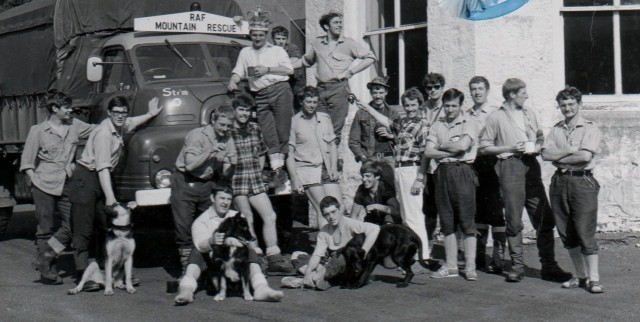
The photo is of the RAF Kinloss Team at Ballachulish Glencoe 1972.
The kit even in the 70’s was fairly basic and most team member’s bought the latest gear that was available. Great changes were taking place in technical equipment, ice axes and crampons were to change the face of winter climbing. This made huge changes in the numbers climbing and mountaineering. With this increase in people in the mountains came an increase in accidents and the teams got busier and call -outs increased. As I said little was known about avalanches and many thought they only happened in the Alps and Himalayas. This was to change after a few terrible avalanche accidents in 70’s. Information improved leading the formation of the Avalanche Service later on.
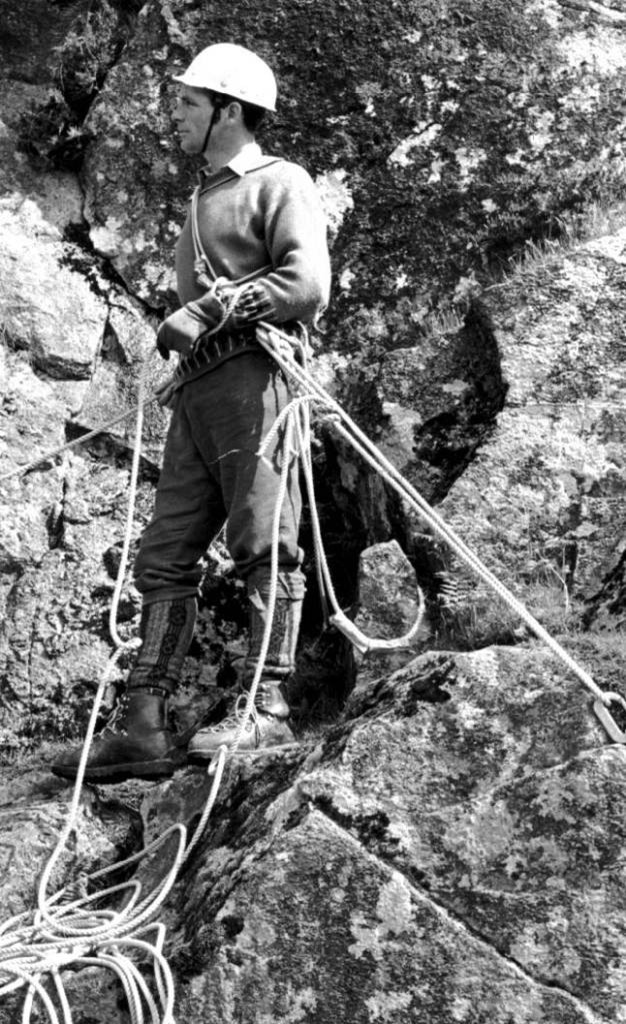
Pete McGowan took over from George Bruce as Team Leader and built on his foundations. He had an incredible enthusiasm and built up a hugely strong team though limited in numbers! He brought in some strong climbers and pushed the team standards driving us every weekend to climb more and more. He built a very powerful team that was challenged in some serious call-outs. The training became far more intense as Pete strove to gain the standards that he wanted. It is very difficult to get the right blend of training and how far to push the team especially in winter. The team was tested to the full when a team member fell of the Liathach ridge in winter over 500 feet. He fell into a remote corrie and only survived due to Pete descending after him and without a doubt saving his life. He was very badly injured and the weather very poor for helicopter evacuation but he was eventually carried out by the team in along overnight evacuation and a 10 hour carry -off. This was a huge learning point for the team and tested them all to the full. Call-outs came thick and fast as the team maintained its high standards. The big walks in Scotland were still a great way to get fit and to know Scotland and we were supported to get away to the Alps during this period. Technical Rescue became more important and the Team trained in this area. Pete ensured we were not found wanting on some of the big rescues on the Ben supporting Lochaber on huge lowers on Zero Gully. In addition we managed a few wild call-outs and lowers on Skye at night,never an easy place to be involved in a rescue.
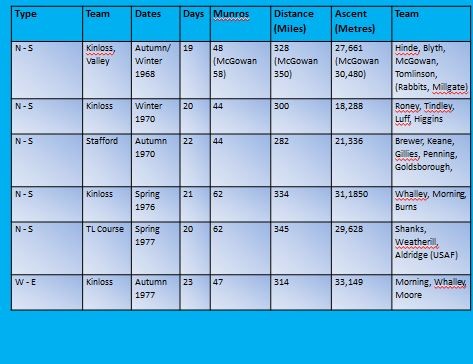
Some of the Walks RAF Kinloss 1968 -1977.
The Great Blizzards of 1978.
Posted on July 21, 2012 by heavywhalley.MBE
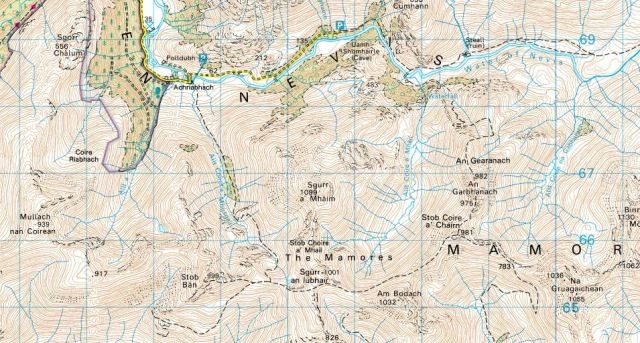
I was posted on promotion to RAF Buchan near Buchan at the time of the great Blizzards of January 1978. I was on the hill in the Mamores near Fort William as Ray Sefton the Team Leader let me come out with the Team even though I was posted away. I managed to get away by train on Friday afternoon and get to Kinloss always having to leave for the Aberdeen train first thing on a Monday morning. I was keen and it cost but I wanted to stay with the Mountain Rescue. I had just completed a huge North to South Of Scotland and was very fit and had that youthful feeling of invincibility on the hills. Weather forecasts were basic in these days and yet there was a forecast of a big storm coming in but we still set off for An Gearanach in the Mamores a grand but tricky hill in winter. It was snowing very heavily when we left and the wind got up as we made our way up to the very corniced ridge and despite a white out made the summit. These were the conditions we trained for “The only all weather SAR” was the buzzword. Then all hell broke lose and it was a fight for life too get off the hill quickly descending down very steep terrain. The hills were alive with avalanches, and the wind was crazy! We were very lucky to get down into the Glen when the whole side of the hill avalanched and swept down right by us. We were lucky and several other parties all had near misses several were avalanched and even the drive out of Glen Nevis was incredible. as we fought with chains to get back to base. The radios were alive with epics going on all over and we were needed.
By now Ray Sefton who was the team Leader was at the Police station and cars and people were stuck all over Scotland. Once he had collected his team and we were all accounted for.We were sent to the Rannoch Moor with Glencoe MRT and rescued over 50 motorists many children and old people with no kit. Cars were buried and we had to dig them out using the big 4 tonners as refuges to transport the people to the land-rovers and safety. We had stoves on in the wagons trying to heat up the people. This was in the days before the roads had gates on them to stop motorists driving into danger. It could and should have been a disaster but for the efforts of the Police and teams. Next day we nearly lost a helicopter near Tulloch the Rescue Control Centre had lost communications with the aircraft. This caused incredible worry as all the helicopters were very busy on rescues all over Scotland and the weather was still wild. It was very worrying as we were set off to find it and help the crew. We managed to drive past Roybridge and then set off in waist deep snow in places We had permission to use any houses for shelter if needed as there were a few holiday homes just passed Tulloch. It was crazy we kept swapping leads due to the depth of snow and after 2 hours we heard the noise of the helicopter and it had a wee snag and was sorted and gave us a lift back.
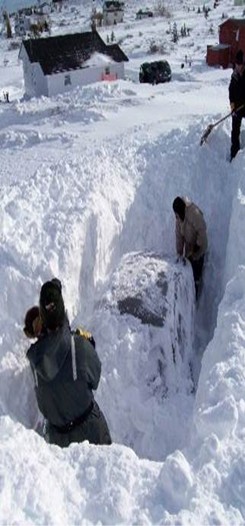
We were so glad to see them. We then spent 5 days attached to a fleet of helicopters based at Inverness were we were used to assist the helicopters on a storm bound Scotland. We dug lorries from the A9 under 20 feet of snow and even went to the aid of a train that was stuck up North. We fed sheep and helped remote crofters and pregnant Mums it was an incredible time for us all. It was a great learning curve how Ray Sefton handled the situation. What a cool man and always looking to the next problem. We were so well treated and made many new friends at Raigmore hospital in Inverness with the nurses, causing Ray a bit of a problem as the team dispensed to parties in the Nurses home. That is another story! When it all ended I was dropped off by helicopter at RAF Buchan and was given a bollocking by some officer who was supposed to be my Boss for being Absent Without Leave (AWOL). Ray Sefton sorted it out and went from ”Zero to Hero” next day! It was not a rare occasion to get hassle after a call out by these so called idiots in charge of you! In the end there were at least 50 stuck on Rannoch Moor, 25 stranded between Cluanie and Invergarry, 15 missing Fort William. Climbers missing in Laggan area, a Wessex down missing for 3 hours! a busy time. Plus the missing train up North. It was in the days of limited paperwork and it was classed as one call-out by the Team!


This is an extract by Squadron Leader Bill Campbell, AFC who I was later to work with at Lockerbie. Bill was part of a huge helicopter force that saved so many lives over this period. What great people, to land in Aviemore High Street and the A9 is a thing I will never forget. What a bunch of guys.
Library Reference Number: 202
The Blizzards Of 1978 Scottish Saltire Branch, ACA.
We had had a couple of met warnings of the imminent arrival of North-Easterly Severe Gale Force 9 increasing to Storm Force 10, which meant winds of 35-40 knots gusting to 50-60 continuing till at least midday Sunday. We got a taste of the weather to come when we were scrambled, late in the afternoon, to an exhausted member of an RAF Regiment training expedition who had collapsed at Faindouran Lodge in Glen Avon in the Cairngorms, a most inaccessible place in the conditions with knee-deep powdery snow being blown by a strong north-easterly wind at 2500 feet. We got back to base after dark, put the aircraft to bed and noted in the log ‘Rotten Weather’. In our absence another met warning had arrived – ‘snow and sleet overnight with moderate to heavy falls with drifting’. We kept ourselves briefed throughout the evening as weather forecasts became more ominous. Finally at 23:30, just before going to bed, I phoned the Rescue Co-ordination Centre (RCC) at RAF Pitreavie Castle to check if there was anything in the wind for tomorrow. They replied that they had just been called by Northern Constabulary at Inverness asking for a helicopter to be at their landing site as soon as possible after first light, and warning that it could be used all day on a number of incidents.
These incidents lasted several days and tested the crews to the full.
The Jaguar Crash on Ben Lui November 1979
Posted on July 22, 2012 by heavywhalley.MBE
The RAF Kinloss Mountain Rescue Team and the other RAF teams are there to recover aircrew from crashed aircraft and also work with the Air Investigation Board AIB after an incident at times this can be on steep and difficult ground. At times like this is when the RAF teams and their leaders are under incredible pressure. It is fortunate that we lose few aircraft but every few years 3 or 4 an epic occurs this was one of them.
On the 27 November 1979 a Jaguar aircraft crashed in the Ben Lui area. It was heading in a two ship formation for Bridge of Orchy, intending to turn west at the main glen towards Oban on the coast. Suddenly the cloud came down, and the leader told the No 2 to abort and pull up; this he did. However, on pulling out of the top of the cloud, he could not see his leader and could make no radio contact.
The two Scottish MRTs, Leuchars and Kinloss, were called out, as were several helicopters and several civilian teams, Killin, Lomond, Strathclyde and SARDA. In all over 200 searchers were involved. The weather was atrocious, remaining so for the whole of the search apart from one day. In the early hours the overnight parties returned soaked through to the skin, and soon had hung up their wet gear from every hook and nail in the Tyndrum Hotel’s hut, a pattern that was to be repeated time and again over the next three days. Wet clothes were put on every day as we ran out of kit very quickly.
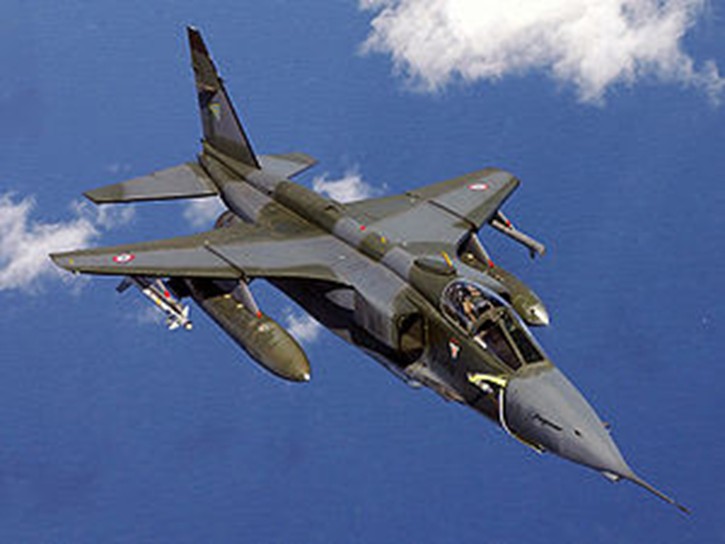
It was a civilian team, eventually, that found the Jaguar just over the
north-west ridge of Ben Lui. It had impacted vertically and totally
disintegrated, and it was not possible to tell at that stage whether the pilot
had ejected or had gone down with it. With no further chance of searching
that day, a massive sweep search would be required on the next day. The team
from RAF Valley was called in from the second day to provide extra manpower, and flew up that same night in a Hercules. Then on by Sea king to Bridge of Orchy. I was with the Valley team and was called off the Cfwry arete in Wales for a call-out in Scotland! We had a hill bag each and a box of composite rations with very few spare clothes. A huge mistake! We raced back to Valley and then flew by Hercules to Prestwick.
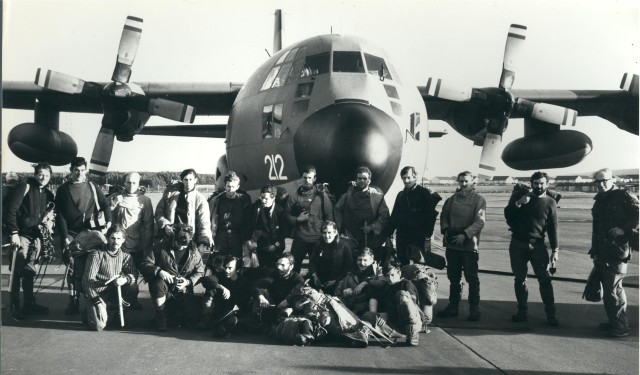
The next day was another of vile conditions. All teams went on the hill,
and attempts were made to get the accident investigation people to the
wreck, but with their lack of climbing expertise this had to be abandoned
for the time being, apart from the doctor and the photographer. A few epics followed as the pilot was located on very steep ground and the RAF in their wisdom winched a photographer to the site not dressed for winter mountaineering. He dropped his camera and some where up there is a very expensive camera! It was an epic getting him off the hill and we had a discussion with the senior officer that sent him up! In all a very difficult search and showed that an aircraft could still go missing even in this modern-day. A RAF Team was deployed by aircraft another Hercules years later to assist in the Shackleton Crash in Harris in the early 90’s. I learnt lots of lessons again from this huge search and how important the civilian teams who were heavily involved were so much part of the incident. At times the military tended to keep the information fairly tight and to get the best result you must share it as it is the casualty that counts in the end. Hard lessons to learn especially when dealing with senior officers with limited knowledge of rescue or recovery! A few points were the incredible flying by the helicopters, I still cannot say how many we got on a Wessex on one drop off, I was terrified as usual. Also the oldest guy in the RAF teams Colin Pibworth from RAF Valley did the link on the summit of Ben Lui for 3 days. This was in the wildest of weather as communication’s were so important as the teams were all over the nearby mountains. Lots of lessons learned for the future.

RAF Kinloss MRT 1980’S -1990’s
Posted on July 22, 2012 by heavywhalley.MBE
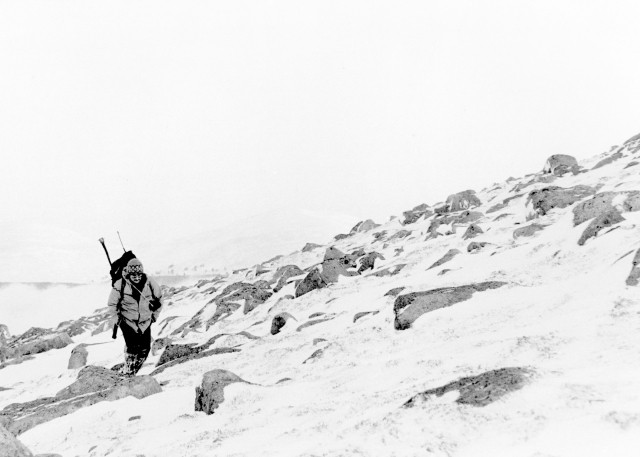
RAF Kinloss MRT a few of the call-outs during this period.
1980 – 17 August – RAF Kinloss – Nimrod Crash – OIC MRT Navigator, survived
1981- 31 December -Cairngorms Hells Lum – Cragfast climber on Escalator.
1982 – 7-9 December – Skye- Stron Na Stri – F111 Crash 2 Crew killed – team at crash site for over a week.
1982 – 26 September – Skye – In-Pin 1000’ lower at night, fallen climber.
1983- 11-12 November – Balbeggie nr Dundee – Cessna Crash – 4 rescued alive, 2 fatalities nr Dundee
1984 – 22 January – Cairngorms – Great Blizzards – 5 fatalities, in one weekend.
1986 – 6 November – Shetlands – Helicopter Crash – 45 Fatalities team assisted in local search
1988 – 3 September – Ben Nevis Race 15 taken off hill in poor weather
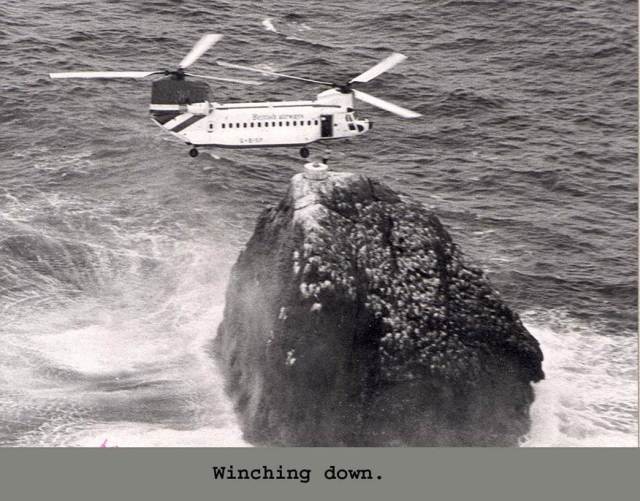
When you look back these were busy years for the teams, with the 1980’s starting off with a Nimrod crash near the airfield which involved the Officer i/c Eric Hughes. In this tragic crash both pilots were killed and the rest of the crew escaped with their lives. The team was involved in this event as it happened during the working day and was in a difficult area for the emergency services to get to. It also involved trips to the Alps and team members were very active in the Himalayas and Canada in winter. All these were great for the team and improving the calibre of team member needed to cope with the ever-increasing demands on it. We also still managed to climb new routes many unreported in Scotland and the big Walks continued and even a trip to Rockall covered in my Blog previously.
Mountain accidents were increasing and the team was called an involved in several of the huge call-outs of this era. Many had great results like a rescue with Skye MRT at night on the In Pin of Sgur Dearg where a climber fell and hit the base. What followed was an epic lower down to the An Stac Screes in a wild all night incident. This was like many happened on a Sunday night after a great weekend in Skye. At times like these the weather was very poor and the helicopter could only take us to the corrie base. Carrying a stretcher and 2 x 500 ropes a casualty bag and climbing gear is not easy. The ground is incredibly loose and it was a long epic lower down to the screes with the Team Leader Gerry Ackroyd and his team. To bring someone of alive is a great feeling and on a rescue like this it is so good to get a great result.
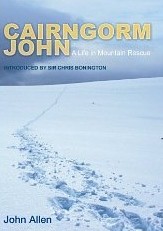
In 1984 there were more great blizzards and what a few days that turned out to be. I had the Friday off and was planning to go into Hells Lum Crag with one of the young team members Pam Ayres and climb one of the big routes there. Fortunately he had a busy night shift and we arrived late at the car park. The weather was great with a wild frost and clear winter weather, we had planned to join the team at Newtonmore and instead went to Creagh Dubh and climbed Wee Wee and the rib direct in great conditions. At the end of the day the weather changed and huge winds and snow chased us as we abseiled off the crag. The team had a hard drive down from Kinloss in the building storm. The roads were getting blocked. Next day we tried to get to the Cairngorms but the road was blocked, we sat it out at the cafe near Glenmore Lodge. There was now way the road was clearing and had a wild day on the wee hills nearby the snow was incredible. Cars and the train was blocked in wild weather.Cairngorm MRT were assisting the police and we were on standby. Next day we were just having a coffee waiting for the ski road to clear when we were told that a group of 3 students were having a problem getting out of Corrie an Lochan. They had walked in on the Friday from Herriot Watt University and failing to find the hut bivouacked. It was not till the Sunday that one of group made it out for help. We went up with Glenmore lodge Instructors who have their own team and found the three dead of exposure a real terrible tragedy. They were so close to the road it was a huge shock to find them. After this we were told that over 30 others were missing. There was no time to dwell on the tragedy of the students as two who were missing involved a great friend Paul Rodgers who was an instructor at Ballahullish in Glencoe. He had been out with a student snow-holing and not returned. What followed was a huge search involving all the local teams for several days but no sign was found. As the teams were told to stand down, his friends went out again and found Paul and his companion on the lip of Coire an t- Sneachda. It was another tragedy made worse by the fact we knew Paul well he had just been over giving us a lecture a few weeks before. It just shows how even the best mountaineers when nature is at its worst can struggle and even perish in the Scottish Mountains. John Allen the ex Leader of Cairngorm Mountain Rescue tells this and other stories of these incidents in his book “Cairngorm John” This was a huge Call-out and one I learned so much from, team member’s really put every effort in. The teams were all exhausted. It was fitting that Paul and his companion were located by his friends from the Mountaineering Centre as the search was called off.
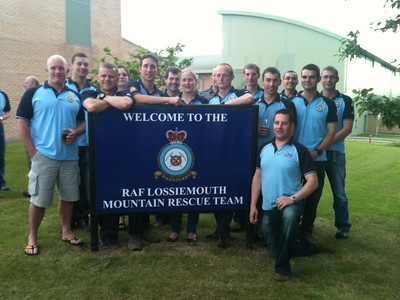
There was a wee gathering last night to celebrate a unique history of Mountain Rescue that very few, if any other Mountain Rescue Teams can match.
When you looked around and consider the amount of footsteps that have been taken over the years in the past and present RAF Kinloss troops I am sure it would add up to a mind-boggling amount. All the stories that go with these steps, that make the great tradition and history that was celebrated last night.
The current Team Leader Willie McRitchie, MBE, a local boy from Harris said these words last night. That Kinloss stands as one of the most senior and most respected Mountain Rescue Teams in the country. It does this on the back of those footsteps taken by our predecessors and on those being taken by the current Team.
In 1953 Sqn Leader Dattner OBE, a legend in RAF Mountain Rescue wrote “Training continues throughout the year and frequently takes place in the worst possible conditions which calls for great endurance, stamina and fortitude”
This is still true to this day. This could be perceived as the end of an era it is only the end in name. The Troops remain as they ever will they are the troops. They will always rise to whatever challenge faced.
Absent Friends.
Farewell Kinloss MRT
Welcome Lossiemouth MRT.
Thanks to all for a great night at Kinloss Barracks last night.
Summer 2012: Sandy Allan, Rick Allen the 1st ascent of Nanga Parbat via the Mazeno Ridge.
Posted on July 28, 2012 by heavywhalley.MBE
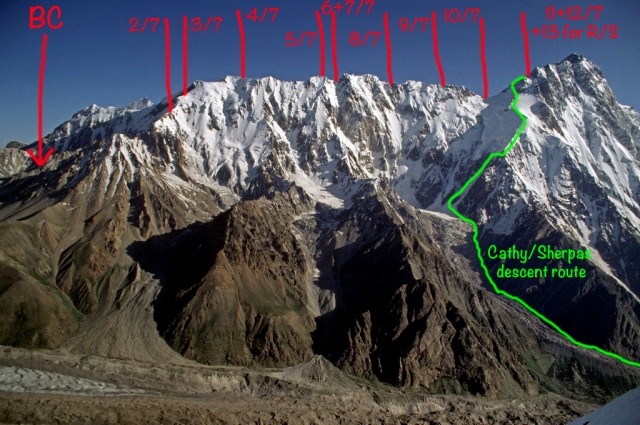
I am sorry but I missed this as I have been so busy, this successful expedition by two local Scots in the Summer 2012: Sandy Allan, Rick Allen and Cathy O’Dowd attempted the 1st ascent of Nanga Parbat via the Mazeno Ridge. The longest ridge on any 8000m peak, considered “the ultimate endurance challenge.” One of the most coveted goals left in the Himalaya. On the 15th of July at 18:12h Rick and Sandy reached the summit! On the 19th of July they arrived safely back at Base Camp. Everyone safe and well! It was an incredible attempt on a huge mountain by a small team. In these days of celebrity figures, overpriced superstars in football and other sports it is incredible that this has barely made any impact in the news. In the mountain world it is treated with huge respect and an amazing achievement. The great news is that both are all of the mountain and are safe. As one who has been to the Himalayas on several occasions but never on this scale their achievements are awe-inspiring. The picture below shows the route taken, it is so bold and inspiring it takes your breath away.
One of the comments on Facebook is
“You stepped into the tigers’ cage and they let you go. I like thinking they payed respect to your courage. … or maybe you were too old to look tasty ”
The descent of the Damir Face in deep snow looks wild and the photos at the end after all these days on the mountain is incredible. Well done again to two locals, unassuming guys who have some story to tell. I would imagine a day on the hill with Team Ascent is one to be cherished!

Great things happen when men and mountains meet!
5 Responses to Summer 2012: Sandy Allan, Rick Allen the 1st ascent of Nanga Parbat via the Mazeno Ridge.
- Dave h says:
An epic trip and when I mentioned at work no one really bothers to look! Anyway a great advert for Scottish mountaineering and hope they got some pictures
L heavywhalley says:
Agreed mate there are some superb photos on Sandy Allan’s Facebook!
- Janis says:
Hi there
You might be interested in this interview sandy did
http://vimeo.com/46673954
Janis
- heavywhalley says:
August 2, 2012 at 6:09 am Many thanks for that Janis!
Tales from the Bothy – The East to West Of Scotland winter 1978.
Posted on July 29, 2012 by heavywhalley.MBE
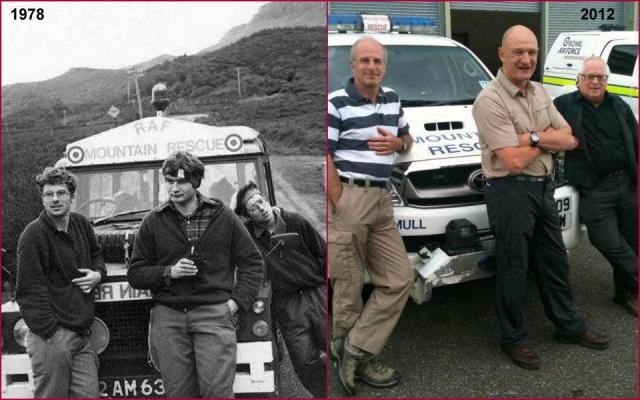
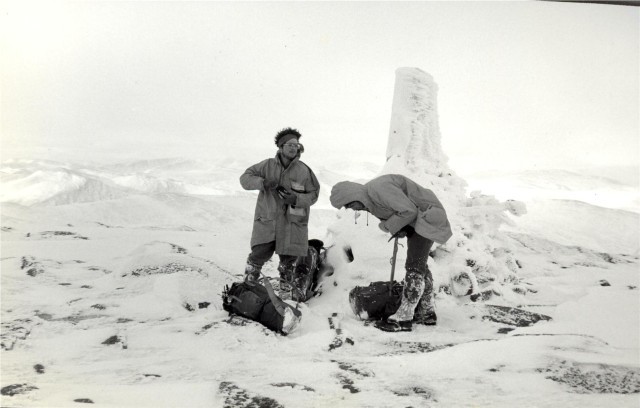
The photo above is of myself Jim Morning and Terry Moore during a Walk across Scotland in November 1978 just before some big snows came, blocking the A9 and making life very difficult on the hill. The previous year we had completed the North to South from Ben Hope to Ben Lomond and completed nearly 80 Munro’s. We were the usual brash young men and the legendary John Hinde sowed the seed, see how you get on in winter, November he said he would test us, how right he was! The walk started in Skye at Glen Brittle staying in McReas barn where Gidean McRae gave us a good send off and a weather forecast of 100 mph on the hills. It was an epic on the ridge and we only managed Bannadich much to Jim upset and then down to Coruisk, to the JMCS hut what a start I was terrified. We had three wild weeks with only food drops twice. We were young and the other two extremely strong and it ended up a full winter traverse. The daylight was short and the Team leader advised us to stop at Dalwhinnie when the road was closed but we had some epics they’re going into the heart of the Cairngorms in very deep snow and blizzards. The RAF Kinloss Team Leader sent a message via the Police telling us to stop at Dalwhinnie but being as daft as we were we ignored it! Sorry Ray Sefton and his career could have been over had the 3 dead in blizzards he imagined had happened. The kit we had been very basic but the new magic material polar gear Helly Hansen had just been on the market and we used this. Boots were frozen and wet every morning and all the kit usually soaking, the first two hours were the worst. The report after stresses how poor our kit was but how good the Polar gear this great this was new kit was. It was early starts walking in the dark and always finishing in dark. Some epic days were encountered at the party at the RAF Kinloss leaving doo and as the night they grew on and wilder. It was some epic walk with grand days, including The South Cluannie including the Saddle and Sgurr na Sgine, The Big Four and 9 of The Mamores. Tom Rigg a real character who used to warden the Youth Hostel at Ossian left us some food and whisky and a hidden key to let us get access. We stayed at Ossian Youth Hostel and a real epic on Beinn Alder doing the 6 Munros and having a hard time getting off from Geal Charn to Carn Dearg and the safety of Culra Lodge! The maps as well were very basic in the days before GPS and mobile phones! Three times we paced to the cornice in a white out at the end of along day from Ossian Youth Hostel and 3 times we ended in the same place with the spindrift howling up through the Cliff. In the end Jim said “you have done your Munros you must remember the way” a classic line. Then I was sent over the cornice and luckily found the ridge. Jim and Terry were chasing their Munro’s and were after each and every one they could no matter what the weather was doing. It was” march or die” and I was hanging out nearly every day. The snow meant it was really hard going and breaking trail was never easy and we all took out turns. The navigation was very hard going with a severe penalty for any mistake as the Cornices were huge.
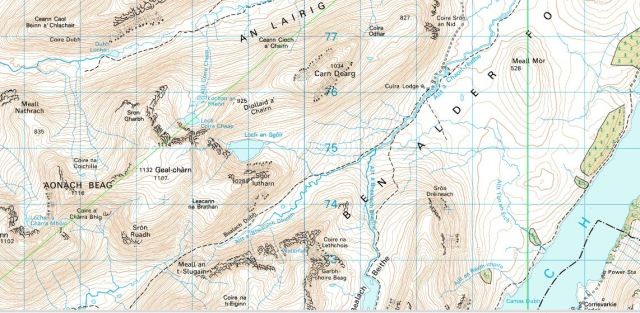
From Dalwhinnie the last week was through the Cairngorms to the remote Gaick Lodge and then numerous Munros. By now the snow was incredible deep and we saw so many deer herds in the hundreds, it still remains with me. The weather got worse but what a trip, staying with keepers and in bothys with rarely a person seen for days on end. We always got a dram and some food from the keepers and there wife’s always took pity on us and a grand meal was always on the cards. What a grand time, and being young and strong we had some fun. The last day before Mount Keen was the “Lochnagar five” in brilliant weather with our kit and bodies knackered after 18 days non stop. Mount Keen was an easy finish and then back to the real world.
RAF Kinloss was having a “Taceval” as this was the cold war period. This was a 4 day exercise which involved lots of daft scenarios that only the military could dream off. A nuclear war averted again and another win for the military, we managed to get a lift back to real world. We felt we had just been in a real war with nature over the last 3 weeks but few had a clue what we meant. A few nights ago at the party at Kinloss it was just another wee trip and adventure in amongst all the stories many from adventures all over the world. The winter traverse was one of the best and hardest adventures and with time the stories grow and grow and grow but what an adventure and what an apprenticeship for the later years. We met so many characters such great people especially the keepers and Gillies . Often they could not understand why we would not take a lift off the hill after a hard day but we had to walk all the way. They all had a love of the hills as well and understood why and what we were up to ! I was always sent up to do the chatting and looking so tired and forlorn with my thick glasses it always worked and usually better accommodation was found for us by the Keepers wives. They always who took great pity on me. Thanks to you all!
Jim and Terry went on to become sound mountaineers with some great achievements in the Alps, Norway and the Himalayas including first ascents on some great peaks. We are still friends after all these years. All a little older but it was the early days that made it for us. We are so lucky!
Strathconon – Definately A glen for all Seasons.
Posted on July 30, 2012 by heavywhalley.MBE
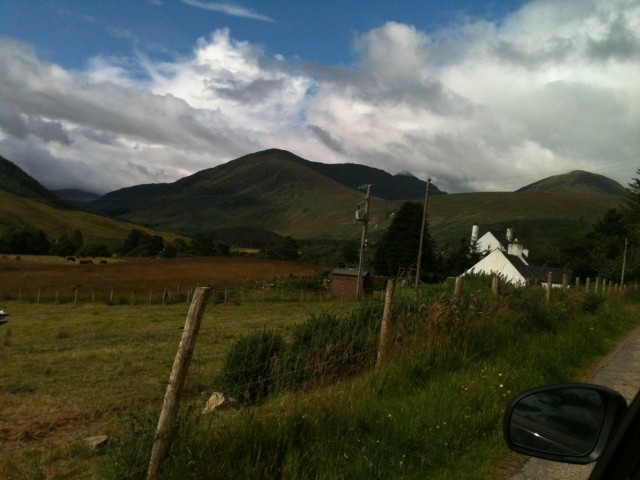
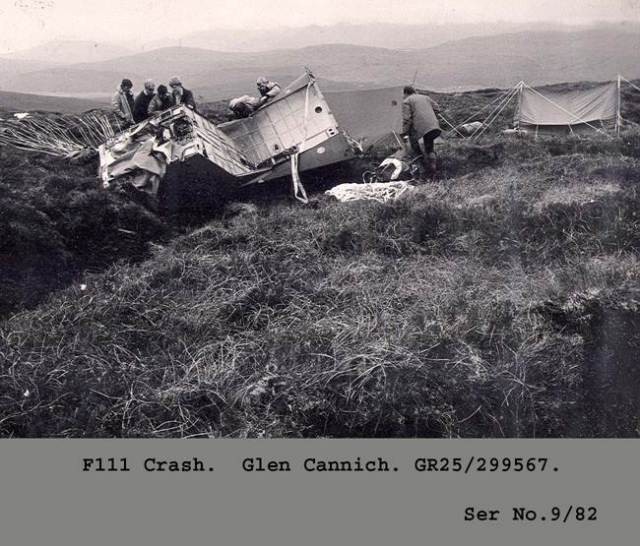
We were supposed to go rock-climbing but it had been wet so it was off to Inverness for breakfast with John and Mary and then pick up Mark from “Southfork” near Loch Achilty. Mark works abroad so loves his days out when he can get them. The drive up the Strath is a grand trip with the tourists and the tight road making it a who dares who wins as they always pass a lay by. It just adds to the fun. There is some great rock climbing along the glen but not today as it was guarded by wet rock ,thick wet jungle and the wee beasties the midges. The glen opens up after the Dam and Mark entertained us with his bike rides and the local history and characters. They had been at the Highland games yesterday and met all the locals. We were soon at Strathmore and the rain came down and we set off up the “path” a bit wet and steep and the midges followed. These Corbetts are wild hills at times and this one is no exception. The ridge is guarded by a deep river in spate then some huge peat hags but this is good training? I had been to an USA F111 crash in this area in 1982 where both crew ejected safely but the search we did for bits and pieces after the crash was hard work in amongst the peat hags. It is a hard won summit to Sgurr a Mhuillin (Peak Of the Mill) as the weather came in on the steep wet ground near the summit. A huge mountain hare black in colour blasted past us and wee saw the odd stag and hind racing across the ground we struggled in. The views when the came in were impressive with Fannichs, Ben Wyvis and the great glens looking grand. Days were planned for the future and on cue the clouds came in and the wind was biting so we decided to wander back. The river had calmed down on the way home and the sun was out as we battled our way down in the occasional peat hag showing remains of the Caledonia forest. I had left my camera at Marks and borrowed Marks camera, leaving the photos I took on a flash drive near my car on the way back. What a great area, the flowers still out and the hills so green. How the flowers live so high up is incredible and the common Butterworth and moss campion looking so good just now. A great wee day out with good friends despite the two-day old sandwich Mark gave me! It is great to see how much a day out can lift the spirits and apart from the effort it all is free.
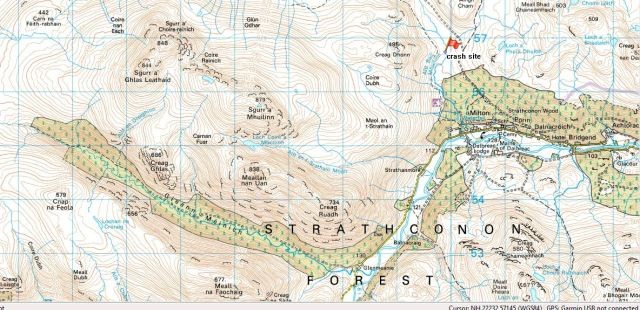
The F111 was an American fighter that crashed in 1982 and both the crew were okay. This aircraft was unusual as the capsule cockpit was ejected with the crew. We had a good couple of days in the area after the crash searching and guarding the crash site. We stayed in the village hall and the locals as always were great to us. I also stayed with the keeper at Scardroy Lodge in 1977 on my North to South Of Scotland Traverse. After a huge day on all the Fannich Munros a big 9 hill day we stayed at the Nest bothy in the Fannichs now gone. Next day was a trek over Fionn Beinn to Scardroy an easy day but a trudge to Strathconon. I was exhausted after 7 days without a break and struggled in to Scardroy Lodge where I was given soup and a meal by the keeper and his wife. Great people, great memories of Highland kindness.
Ben Macdui and the Anson Crash
Posted on July 31, 2012 by heavywhalley.MBE
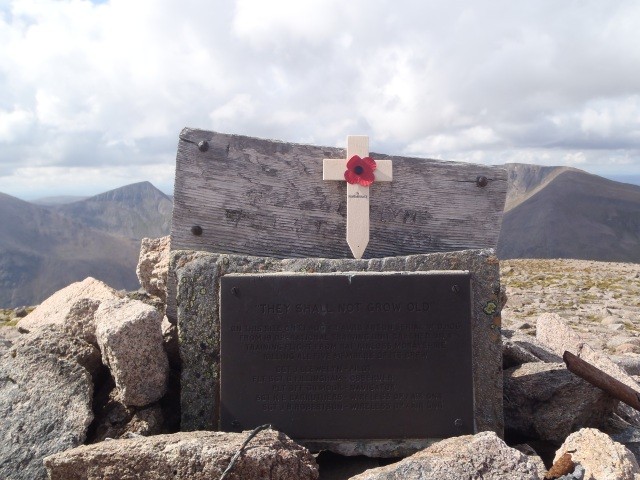
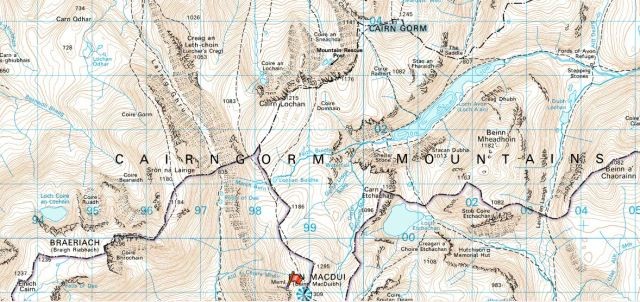
Today I am off to the Cairngorms and hoping to enjoy the fine weather forecast. I hope to visit the Avro Anson Crash very near the summit of Ben Macdui which has a memorial to the crew who all died in the crash. The site overlooks the Larig Gru and is an incredible viewpoint for the might Corries of Braeraich and Angels Peak. Nearby lie bits and pieces of the crash including the two Cheetah engines and other debris in the river below the site. It is a reminder of what these young men sacrificed all these years ago. In 2001 about one kilometre away two American aircraft modern F15’s crashed nearby, flying still takes it toll as the recent Tornado crash reminds us of the dangers involved. All that technology and training yet accidents still happen.
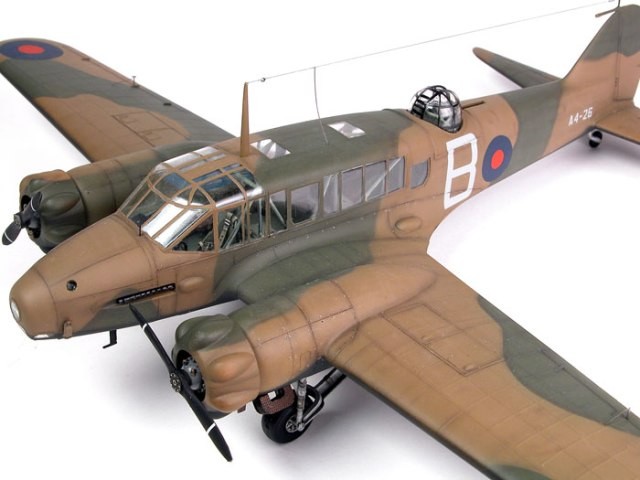
The Avro Anson was a British twin-engine, multi-role aircraft that served with the RAF and Fleet Air Arm and numerous other air forces prior to, during, and after the Second World War. Named after British Admiral George Anson it was originally designed for maritime reconnaissance but was soon rendered obsolete in that role. However, it was rescued from obscurity by its suitability as a multi-engine air crew trainer, becoming the mainstay of the Air Training Plan. During the war many crashed in training and the mountains of Scotland are where many crews trained and ultimately lost their lives. One must remember this was in a time of war, the aircraft and crews training and equipment was basic and flying in big mountain in bad weather is never easy. It is amazing how many other aircraft are nearby on the hills. There is a Vickers Wellington on Ben Rinnes, the Wellington crash on An Lurg near Bynock More, an Oxford on Braeraich . There and several others in the Cairngorms from the Second world war. Nowadays all aircraft are removed but during the war it was a different era and manpower was short. The Anson was on Ben Macdui was not located for two days and a lot of the wreckage remains on scene. It is such a busy mountain yet few visit the memorial to those young men who gave their lives . There are two more on Beinn a’ Bhuird the first site was of an Airspeed Oxford that crashed in January 1945 , amongst the granite tors of Stob an t-Sluichd. Some large parts of the aircraft remain at the site, including the two engines . A memorial plaque to the aircrew who were killed in the crash was affixed to a boulder near the site in 2005. The second wreck site was just off the plateau, about 1km south of the South Top of Beinn a’Bhuird on a ridge called Bruach Mhor, where a Vickers Wellington crashed in October 1940. These hills all have several tales to tell!
Not yet Available